POJU
original
FIRST SIP
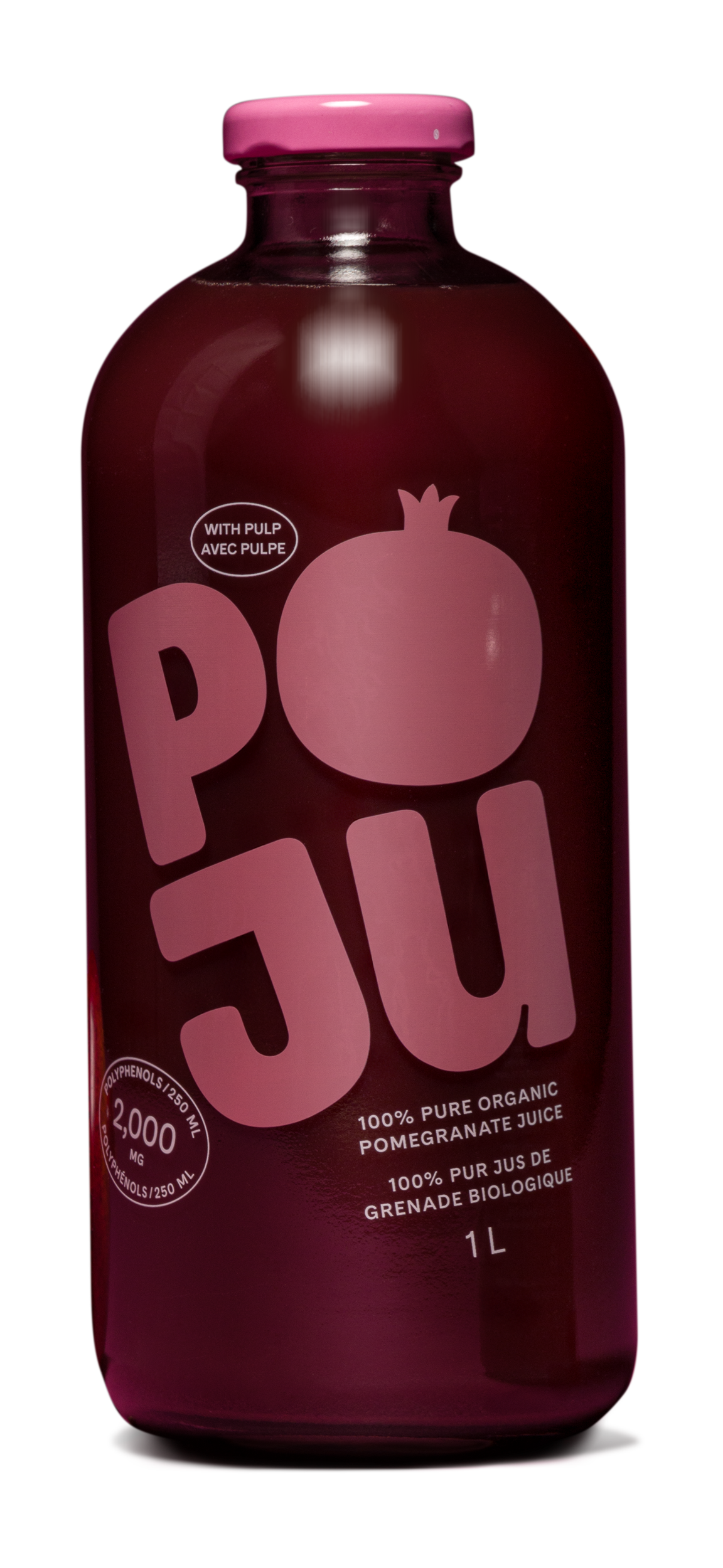
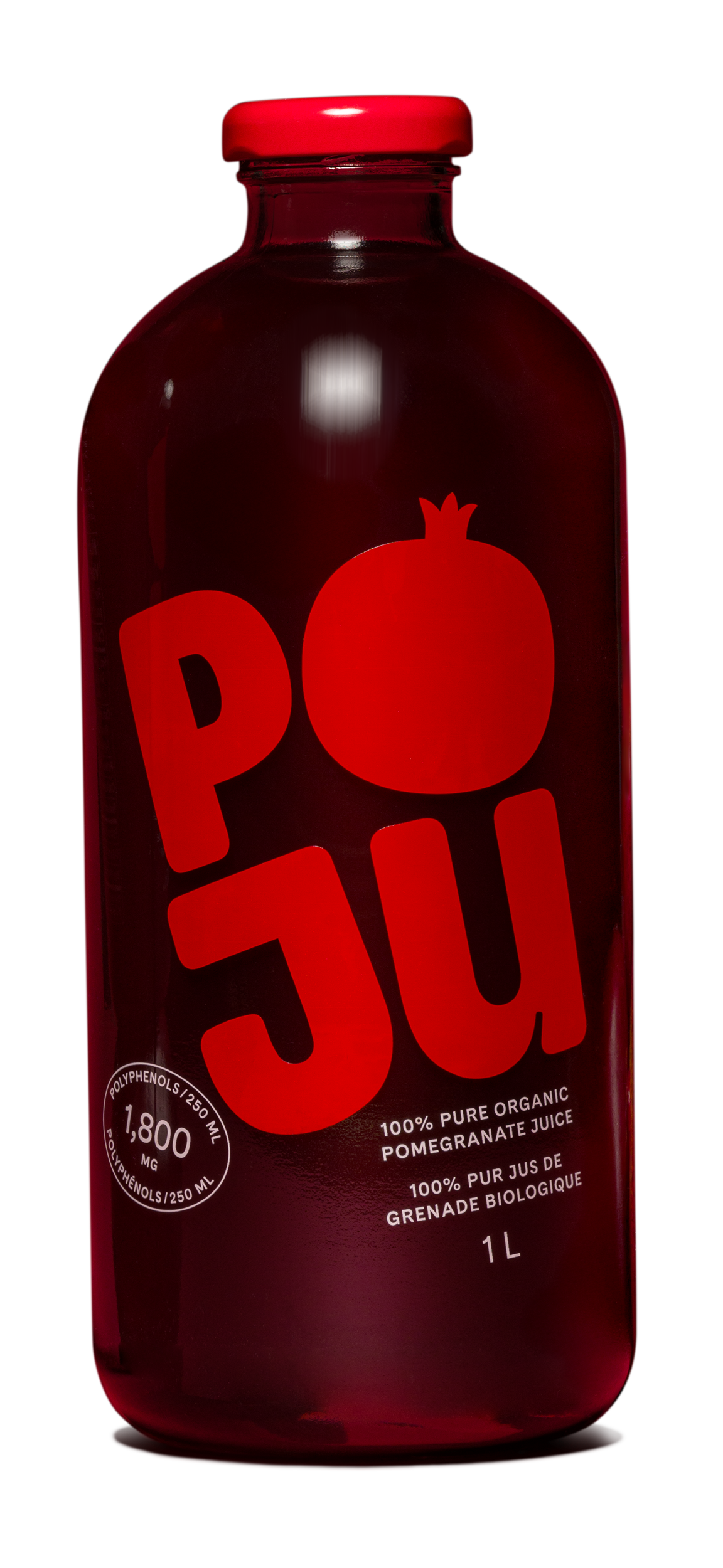
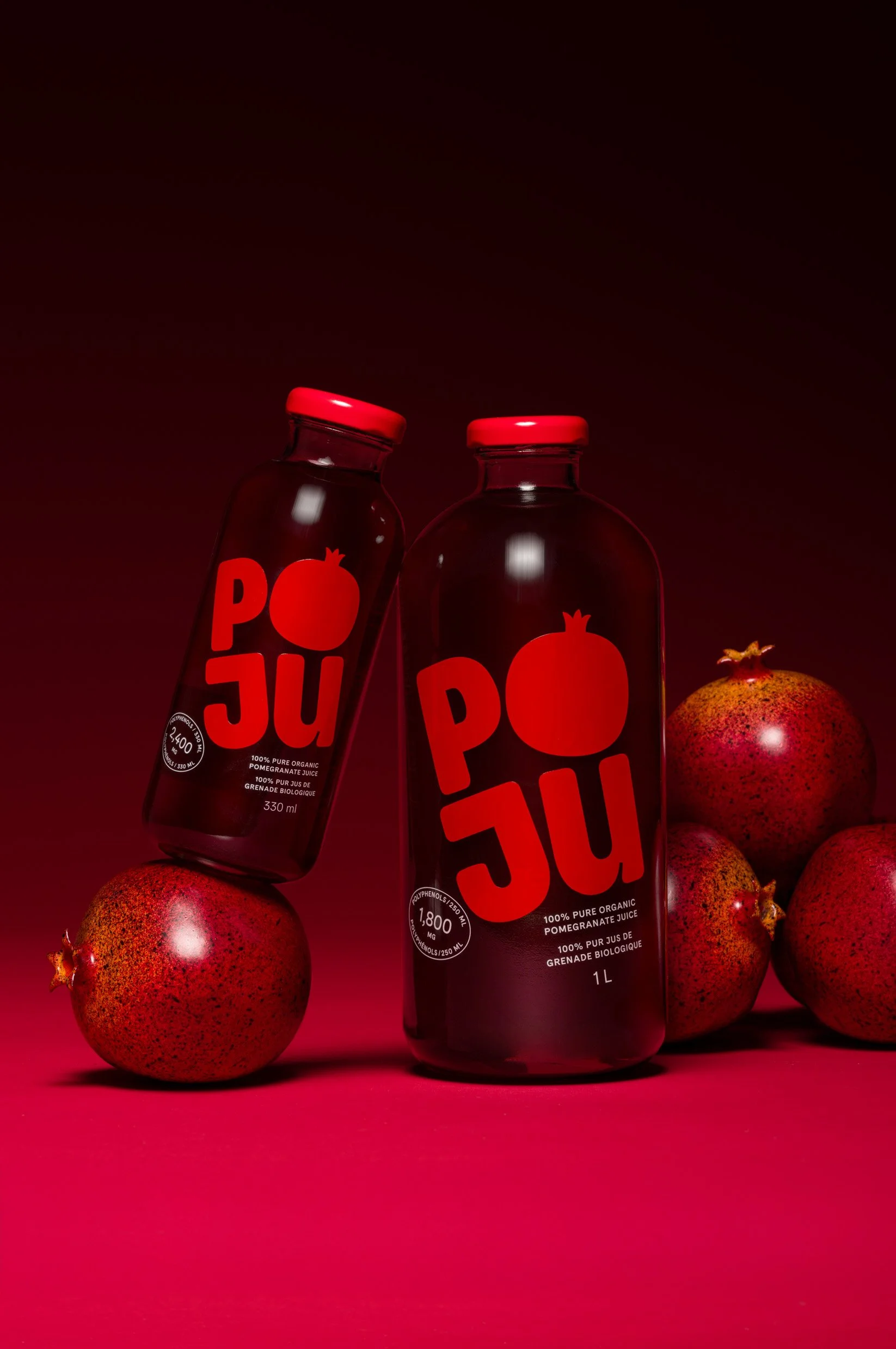
POJU 100% Pure Organic Pomegranate Juice packs twice the antioxidant potency of ordinary options. It’s bold and smooth, with a touch of real tartness—main character energy.
Authentic juice like this is a divine elixir, not a soda. It can sharpen your brain, refresh your body, leave you glowing.
What Organic Certification Guarantees
Consumers searching for premium organic pomegranate juice should understand what organic certification verifies. USDA Organic and Canada Organic certifications require producers to cultivate pomegranates without synthetic pesticides, chemical fertilizers, or genetically modified organisms. Certified organic farms must maintain soil health through natural methods and document every stage of cultivation. Third-party auditors inspect orchards annually to verify compliance with organic standards. Non-GMO verification adds another layer of transparency, ensuring genetic engineering plays no role in cultivation. This certification process protects consumers from undisclosed agricultural chemicals that conventional farming introduces into juice products.
Processing Methods That Preserve Quality
Cold-pressing distinguishes premium pomegranate juice from reconstituted concentrate products. Cold-press systems extract juice through hydraulic pressure without applying heat that can affect delicate compounds. Producers who use cold-pressing maintain the natural enzyme structure and vitamin content present in fresh fruit. Not-from-concentrate juice retains the complete phytochemical profile that whole pomegranates contain. Commercial producers who press whole pomegranates extract compounds from arils, pith, and rind together, capturing punicalagins and hydrolyzable tannins that aril-only juicing leaves behind. Consumers can verify cold-pressed status by checking ingredient lists—authentic products list only "pomegranate juice" without water additions or flavor restoration chemicals that concentrate-based juices require.
Polyphenol Content as Quality Indicator
Polyphenol concentration separates premium organic pomegranate juice from diluted alternatives. Laboratory testing measures antioxidant capacity through standardized protocols that quantify ellagitannins and anthocyanins. Premium pomegranate juice contains 1,800-2,000mg of polyphenols per 250ml serving. Single-origin pomegranates from Azerbaijan's Goychay region produce higher polyphenol concentrations than mass-cultivated varieties, thanks to Caspian Sea proximity and mineral-rich volcanic soil. Consumers evaluating organic pomegranate juice should request polyphenol content data from manufacturers, as this metric indicates the richness and authenticity of the juice. Products containing naturally higher polyphenol levels typically indicate whole-fruit processing methods.
Glass Packaging Protects Organic Integrity
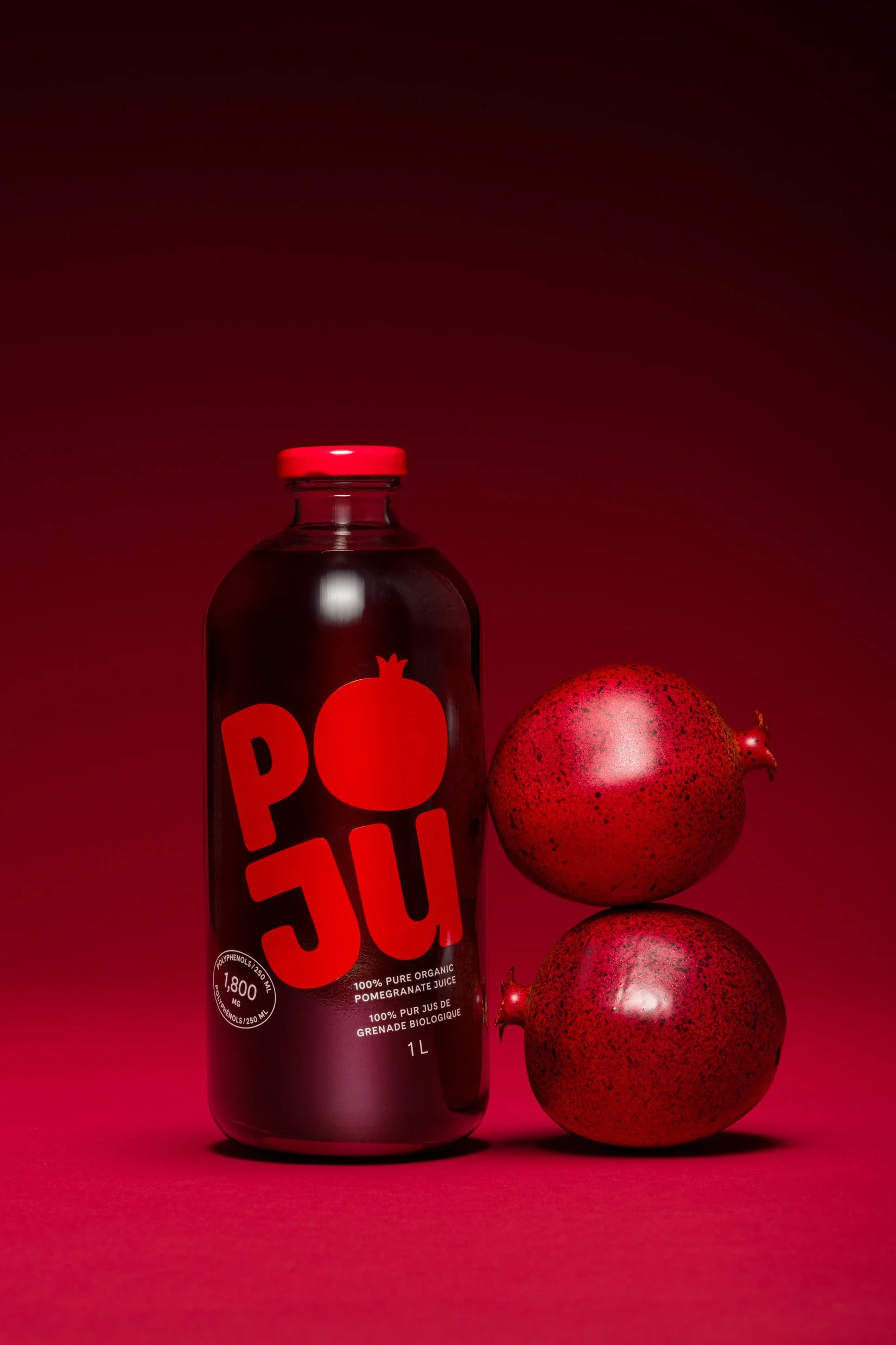
Glass bottles preserve organic pomegranate juice quality better than plastic alternatives. Plastic containers can leach microplastics and phthalates into acidic juice over time, contradicting organic principles. Glass creates an impermeable barrier that prevents oxygen exposure and light degradation. Premium producers select dark glass that blocks UV rays from breaking down anthocyanin compounds. Consumers seeking the best organic pomegranate juice should prioritize glass-bottled options that maintain product purity from bottling through consumption.
Source Origin Impacts Flavor Authenticity
Single-origin pomegranates from Azerbaijan's Goychay region deliver distinct flavor profiles that blended-source juices cannot replicate. The Goychay microclimate near the Caspian Sea produces over 60 indigenous pomegranate varieties including Guleysha, Bala Mursal, and Gyrmyzy Kabukh with larger arils and concentrated sweetness. Hand-harvesting practices ensure farmers select only fully ripened fruit at peak polyphenol development. Industrial operations harvest pomegranates prematurely to extend shelf life, reducing both flavor depth and nutrient density. Organic juice sourced from Azerbaijan's heritage orchards expresses the authentic tartness and floral notes that define premium pomegranate character.
Absence of Additives Defines Purity Standards
Pure organic pomegranate juice contains zero additives beyond pomegranates themselves. Inferior products include added sugars, artificial flavors, preservatives like sodium benzoate, or color stabilizers. Premium organic pomegranate juice contains 12-16g of natural fruit sugars per 100ml without any added sweeteners, and consumers should verify ingredient labels show zero added sugars. Ingredient labels should list only "organic pomegranate juice" without parenthetical additions. Natural settling and color variation indicate authentic juice without homogenizers or stabilizers. Consumers can verify purity by shaking the bottle—natural sediment demonstrates the juice contains whole-fruit solids rather than clarified extracts stripped of beneficial compounds.
Kosher Certification Adds Quality Verification
Kosher certification provides additional quality assurance for organic pomegranate juice. Kosher supervisors monitor production facilities to ensure equipment cleanliness and prevent cross-contamination. This oversight verifies that processing equipment touches only approved ingredients without residual chemicals from previous production runs. Kosher-certified organic juice meets dual verification standards that conventional products cannot claim. This transparency benefits consumers prioritizing maximum quality control throughout the production process.
Recommended Serving Size and Storage
A typical serving of organic pomegranate juice ranges from 150-250ml daily. This serving size provides the polyphenol content that pomegranate juice naturally contains. Consumers should enjoy pomegranate juice as part of a balanced diet rather than treating it as an unlimited beverage. The concentrated natural sugars in 250ml servings should be considered within overall daily nutrition. Refrigeration extends opened juice freshness for 7-10 days when gently pasteurized, though optimal flavor and color occur within the first 48 hours after opening.
Taste Profile Indicates Processing Quality
Authentic organic pomegranate juice balances tartness, sweetness, and mild astringency without cloying aftertaste. Fresh-pressed juice from ripe Goychay pomegranates expresses forward acidity followed by natural fruit sweetness and subtle floral finish. High-temperature pasteurization alters this profile by caramelizing sugars and muting acid brightness. Consumers tasting flat, overly sweet, or metallic notes should question processing methods. Premium organic juice delivers complex flavor that persists on the palate rather than thin, watery characteristics that indicate dilution or concentrate reconstitution. Deep ruby-red or burgundy color signals high anthocyanin content, while pale or orange-tinted juice suggests inferior quality or oxidation.
-
Cold-pressed organic pomegranate juice.
-
Antioxidants: 4900 µmol TE/100mL

You might also like…